Located to the northeast of the National Archives on the National Mall, across Constitution Avenue, you’ll find the National Gallery of Art, which houses numerous art pieces that America takes pride in. Some even say its collection surpasses that of France’s Louvre. The National Gallery’s origin dates back to 1937 when the banker Andrew Mellon donated funds and his art collection to the United States government to establish an art museum. This idea came from his admiration of London’s National Gallery during his time as the U.S. Ambassador to the UK. That’s how the National Gallery, as we know it today, came into being.
Built on the principle of being a museum accessible to everyone, the National Gallery has been open to the public for free since its inception, making it a highly appreciated attraction for tourists.
In this article, I will introduce an overview of the National Gallery and some points to consider while visiting.
The National Gallery comprises three main areas
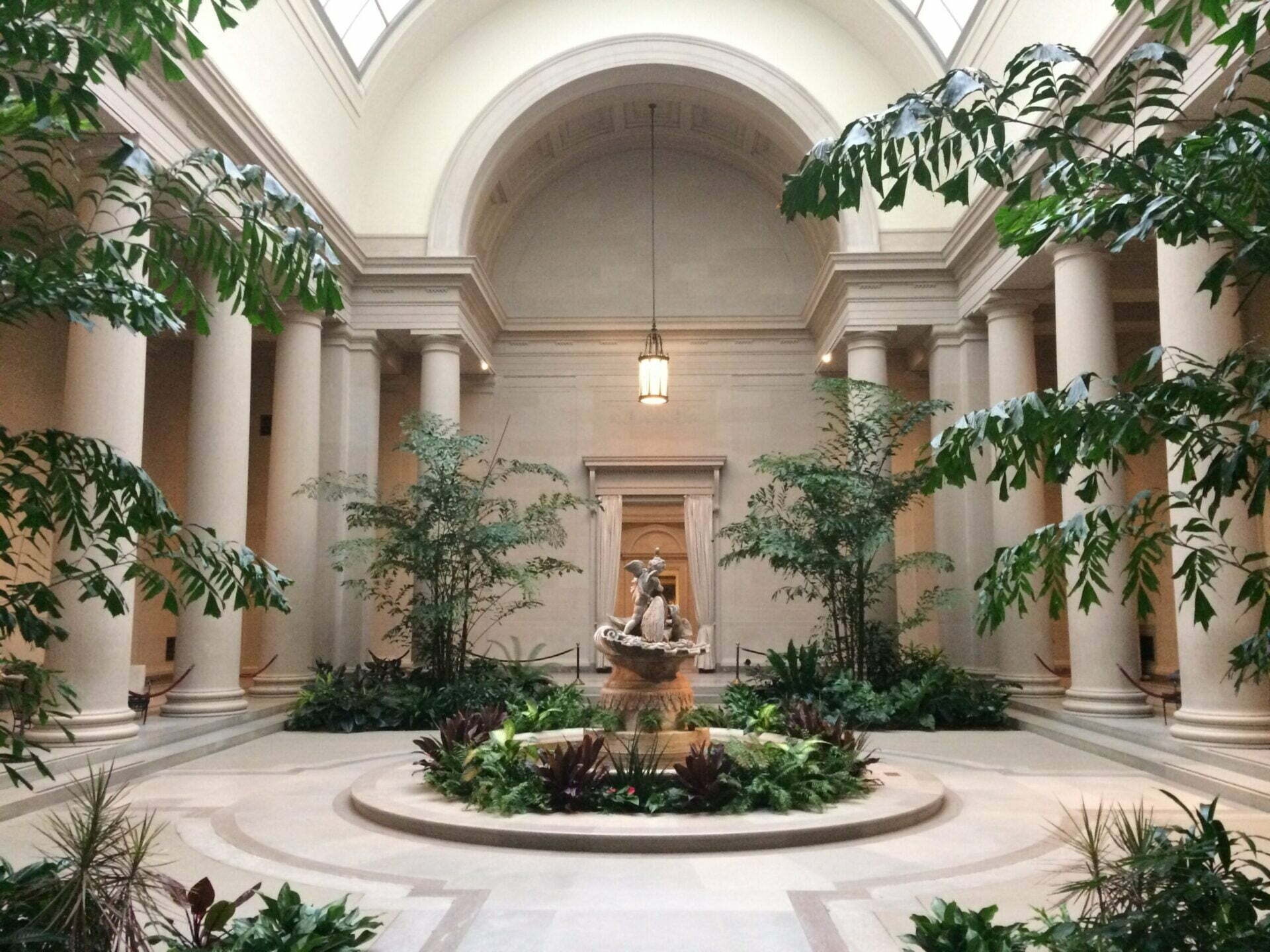
- West Building: A grand marble structure
- East Building: Houses contemporary art
- Sculpture Garden: Located on the west side, separated from the West Building by 7th Street
When entering the West and East Buildings, you’ll undergo security checks, so it’s best to arrive with enough time. The West and East Buildings are connected through an underground tunnel, allowing visitors to move freely without going through security again. However, when reentering the Sculpture Garden, you’ll have to go through security checks, so be mindful of that.
Once inside the gallery, start by obtaining a guide in multiple language
The National Gallery attracts tourists from all over the world. Many of the displayed works are familiar to all international visitors, so multiple guides are available for them. After going through the security check, head to the information desk in the small rooms located just after entering from the National Mall side. Instead of rushing to the central dome space, which might overwhelm you with its grandeur, take a moment to visit these small rooms. There, you can get a guide and find a floor map to efficiently navigate to your desired locations. Additionally, if you’re interested, they offer audio guides in multiple language for free.
Immerse yourself in numerous masterpieces in the West Building
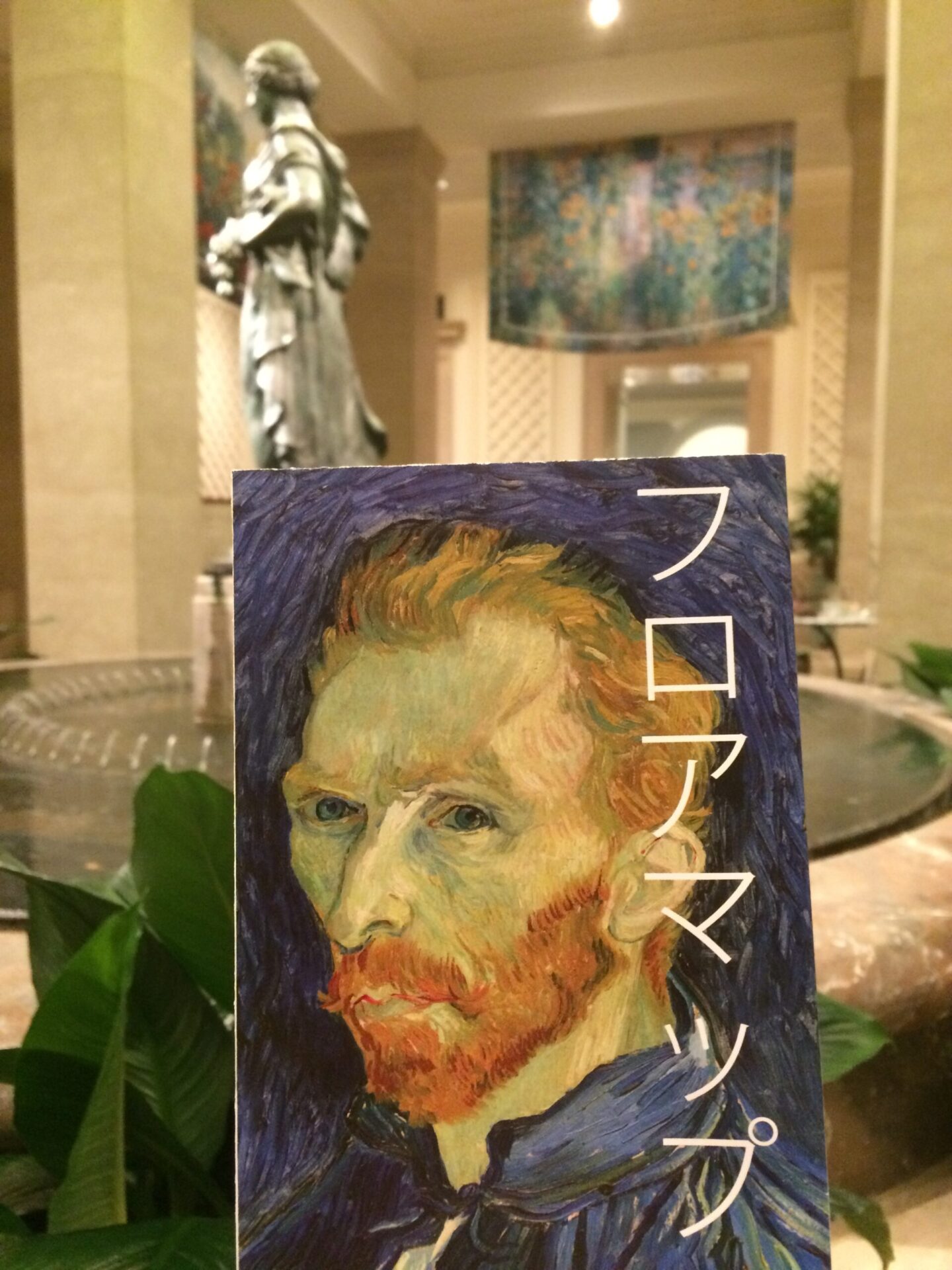
The West Building of the National Gallery houses masterpieces of French Impressionists like Van Gogh and Monet, as well as works by Vermeer and others that you might have encountered in textbooks. Among these, Monet is especially popular among Japanese visitors. His technique of expressing light through colors, creating gentle and soft depictions, resonates with many Japanese art enthusiasts.
Two unmissable pieces are “The Rouen Cathedral series,” where Monet captured the changing light over time through colors, and “Women with a Parasol – Madame Monet and Her Son,” portraying a woman shading herself from the bright summer sun with a parasol.
Furthermore, you should not overlook the works by Vermeer, which enjoyed immense popularity in Japan from 2018 to 2019, as well as “Niagara” by the prominent American painter Frederic Edwin Church.

Experience the mesmerizing world of light and color through the icon...
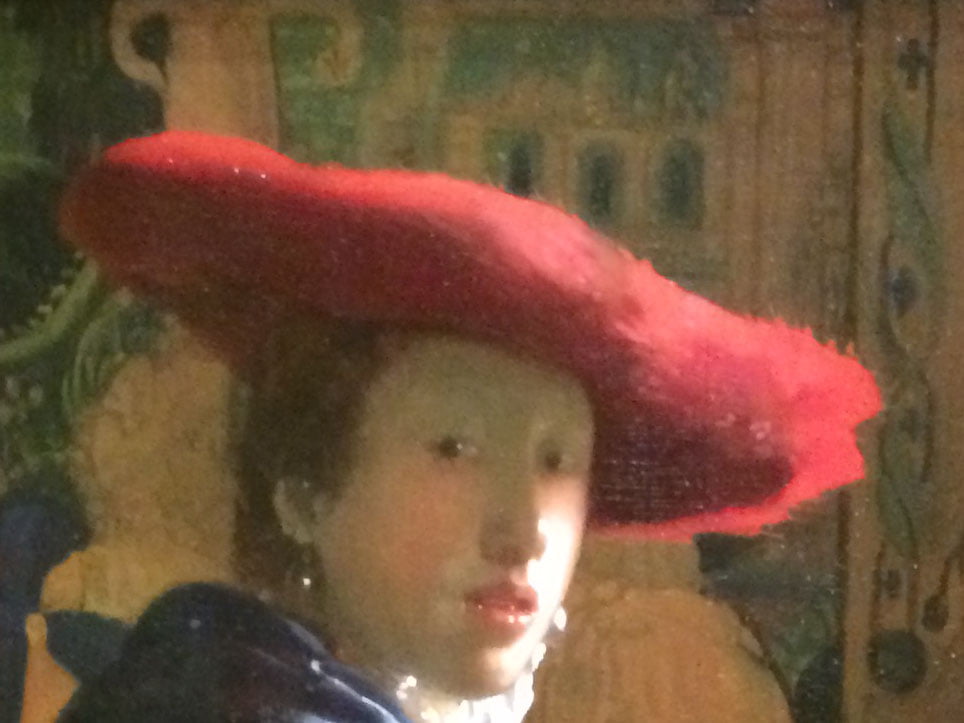
The works of Johannes Vermeer, a master of the art world hailing fro...
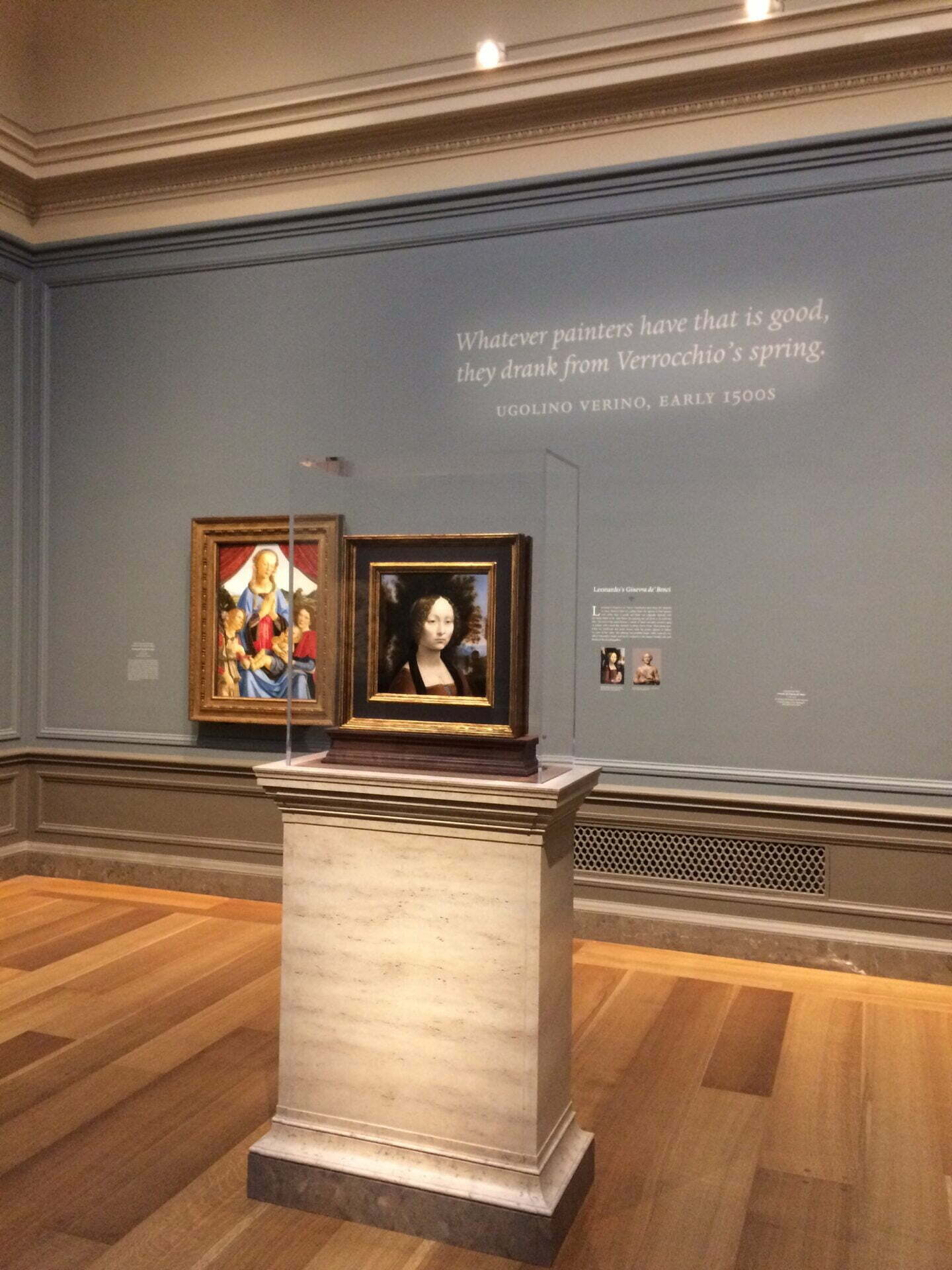
In Washington D.C, many museums and art galleries are part of the Smit...
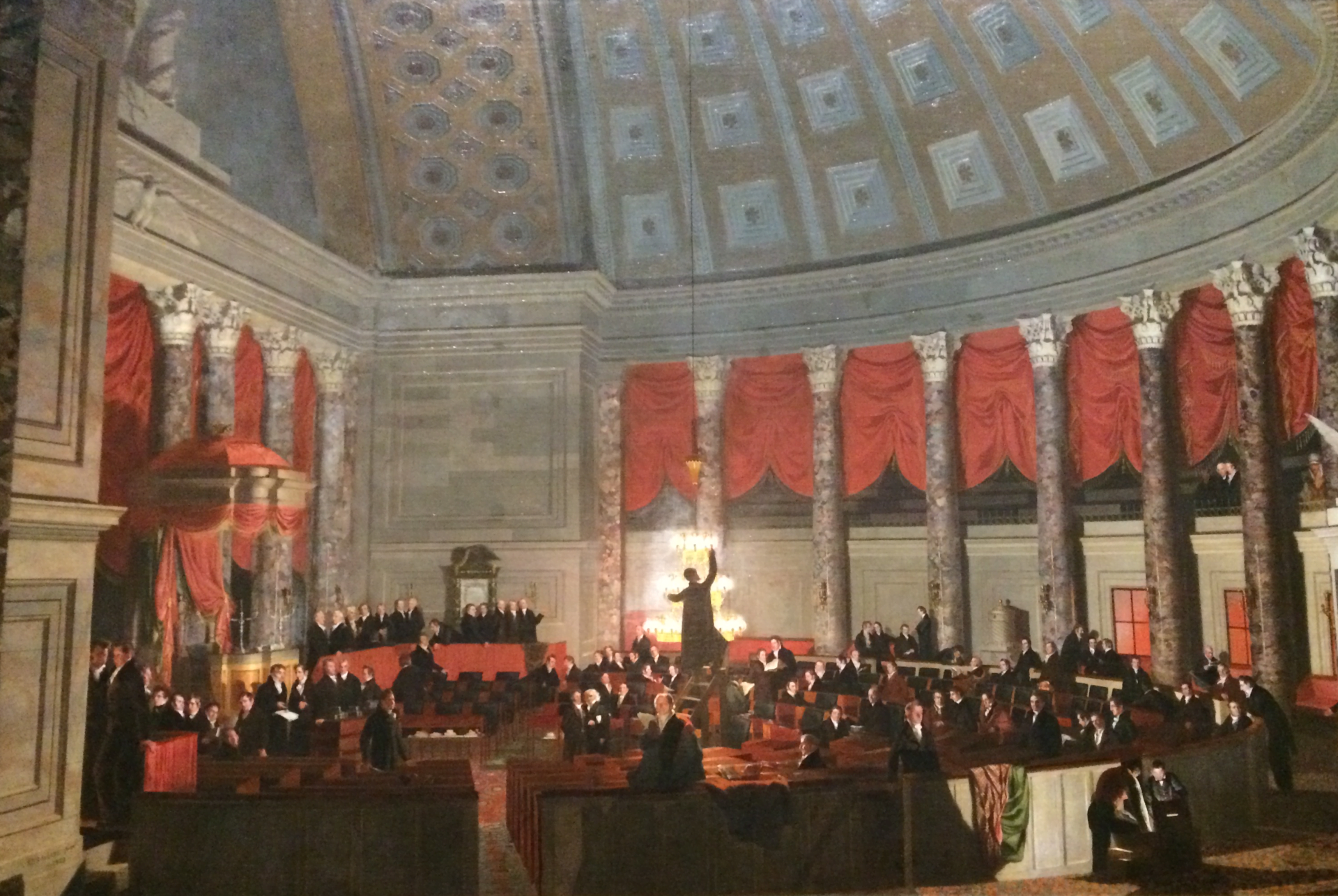
Established in 1937, the National Gallery is an art museum that came i...
Pay attention to the exhibition rooms, unlike those in small museums
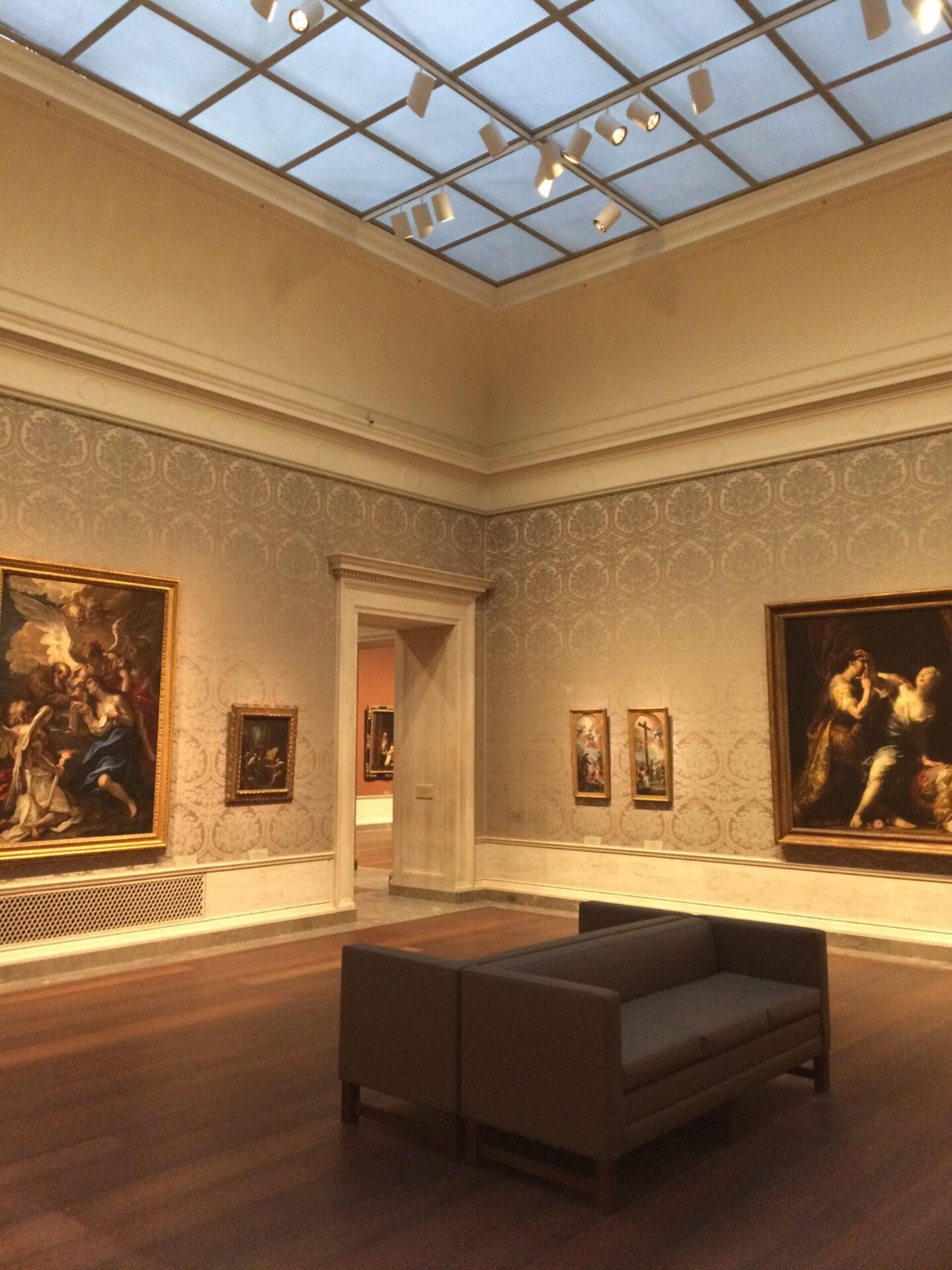
While it’s natural to get engrossed in individual masterpieces, I encourage you to take a moment to appreciate the exhibition spaces themselves when at the National Gallery. In many of small art museums, you may find dimly lit rooms with paintings neatly lined up in a straight line, illuminated by cream-colored lights from the ceiling. In contrast, art museums around the world, including the National Gallery, incorporate natural light as the primary source of illumination.
The high ceilings feature skylights covered with frosted glass, allowing natural light to bathe the artwork. This creates a bright and comfortable atmosphere for visitors to walk around. Additionally, the arrangement of artworks isn’t random; curators thoughtfully display pieces with contrasting themes next to each other, offering visitors a glimpse of the curator’s attention to detail.
Discover the contemporary art sanctuary in the East Building
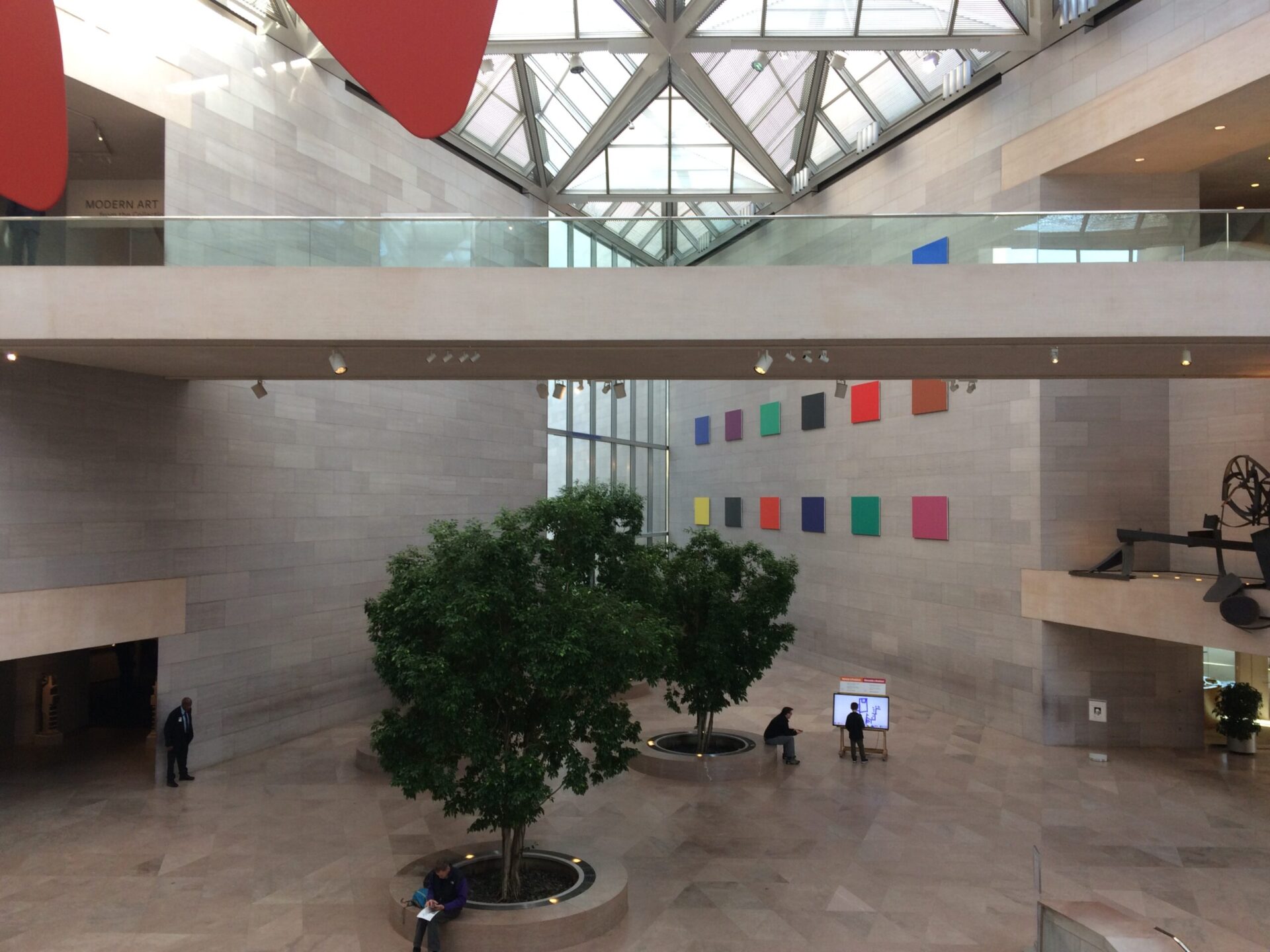
To reach the East Building, make your way through the underground tunnel, and you’ll emerge into a vast space bathed in natural light coming through the glass panels. This is the contemporary art sanctuary of the National Gallery, featuring works by well-known artists such as Picasso and the sculpture genius Giacometti from Switzerland. Here, you’ll experience a different charm compared to the West Building.
The exhibition rooms in the East Building are somewhat similar to those in Japanese art museums, and since they attract fewer visitors than the West Building, you can enjoy a more tranquil viewing experience.
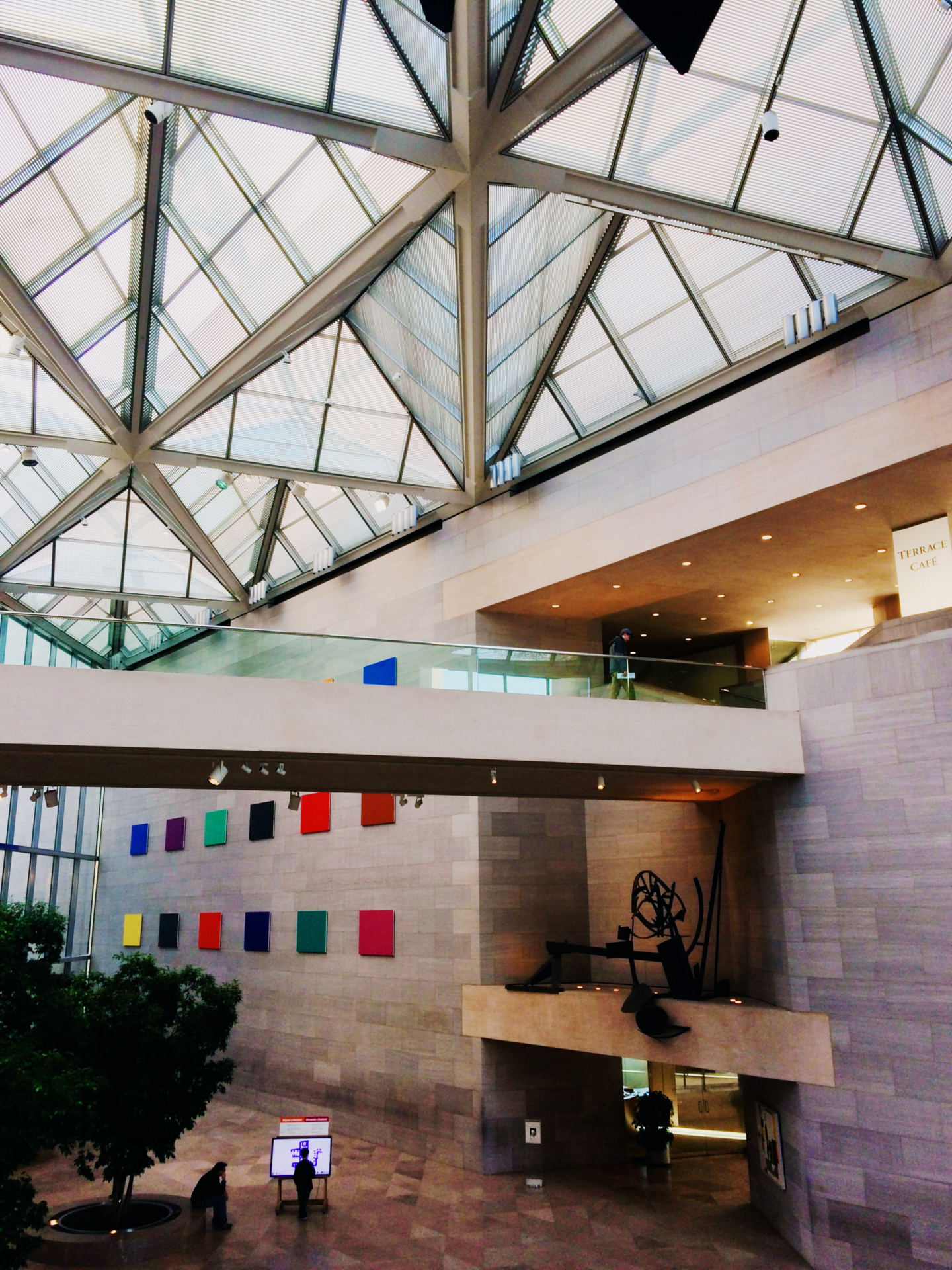
The National Gallery in Washington, D.C. is a renowned art museum that...
Take a break at the cafes if you feel tired after viewing artworks
The National Gallery houses a vast collection of artworks from around the world, and it would take at least three days to see everything. For visitors with limited time, it can be quite challenging. Therefore, most tourists choose to focus on specific artworks and take a quick glance at the rest, which can be tiring as you’ll be walking around the gallery.
In such cases, be sure to take note of the cafe locations. There are four cafes in total, with one in the center of the West Building’s basement, one each in the East Building’s basement and top floor. The last one is located in the western part of the Sculpture Garden. If you want to continue exploring the artworks inside the buildings, consider stopping by one of these cafes for a breather.
Enjoy a satisfying art experience in the art sanctuary
The National Gallery of Art is a prominent museum that houses a wide array of artworks, some of which are familiar to all international visitors. The pieces mentioned in this article are only a fraction of what you’ll find there, so I recommend researching and identifying the artworks you want to see before visiting the National Gallery in Washington, D.C. The gallery is vast and complex, so doing some preparation beforehand will allow you to efficiently enjoy your art tour. Don’t forget to get a Japanese guide once you arrive, as it will make navigation easier.
Whether you spend half a day or your entire stay in Washington, D.C. at the National Gallery, find the art appreciation style that suits you best and indulge in a satisfying art experience.